The Definitive Guide to Choosing the Right eSIM Card for Your Travel Needs
An eSIM card eliminates the need for a physical SIM by embedding a programmable chip directly into your device, allowing you to activate a cellular plan instantly without inserting any hardware. It stores multiple carrier profiles simultaneously, letting you seamlessly switch between networks—such as a local plan for travel and a home plan for personal use—right from your settings menu. To use it, simply scan a carrier’s QR code or download their app to provision a profile, then manage profiles through your device’s cellular settings without ever handling a tiny card. This built-in digital design frees up physical space in your device for other components and makes switching plans as easy as tapping a screen.
What Is an Embedded SIM and How Does It Differ from Traditional SIMs
When you open a new phone, the embedded SIM, or eSIM card, is already soldered onto the motherboard—you never see a plastic chip. Unlike a traditional SIM, which you physically swap between devices, this digital chip is reprogrammed remotely. I remember traveling abroad, downloading a local carrier profile in seconds without hunting for a tiny tray. The key difference is flexibility: you can store multiple carrier profiles on one eSIM, switching between them through software settings, while a physical SIM locks you to a single provider per card. No more fumbling with pins or losing your SIM ejector tool—it’s a permanent chip that changes identity over the air.

The Basic Definition of a Programmable SIM
A Programmable SIM, in the context of an eSIM card, is a secure embedded chip that can have its International Mobile Subscriber Identity (IMSI) and network credentials rewritten after manufacturing. Unlike a traditional plastic SIM, this digital chip is soldered into the device and configured remotely using a standardized profile package. This makes it a reprogrammable network identifier that allows a single piece of hardware to host multiple operator profiles, which the user can activate or switch without physically inserting or removing a card.
Q: What is the core function of a Programmable SIM in an eSIM?
A: It functions as a blank, rewritable secure element that can store and switch between different carrier profiles via software, eliminating the need for a physical SIM card swap.
Physical SIM vs. Software-Based Profile Switching
A physical SIM requires manually swapping a plastic card to change your mobile network. In contrast, an eSIM enables software-based profile switching, letting you download and activate a new carrier profile directly on your device without any hardware swap. This process follows a clear sequence: first, you scan a QR code or install a carrier app; second, select the new profile in your settings; third, confirm activation. Profile switching happens in seconds, not minutes. Unlike a physical SIM, which ties you to one network until you physically exchange the card, an eSIM lets you switch between multiple stored profiles instantly, making it ideal for frequent travelers or multi-line users.
Key Advantages: Remote Activation and Multi-Carrier Flexibility
The key advantages of an eSIM are remote activation and multi-carrier flexibility. Unlike a physical SIM, you can instantly activate a cellular plan by scanning a QR code or downloading a profile, eliminating the need to wait for a plastic card. This remote provisioning allows you to switch between carriers or add a second line directly from your device’s settings. For frequent travelers, this means buying a local data plan in minutes without visiting a store. For professionals, it simplifies managing separate work and personal numbers. This on-demand control empowers you to choose the best network in real time, directly from your phone.
Top Reasons to Switch to an Integrated Digital SIM
Switching to an integrated eSIM card means no more fumbling with tiny plastic carriers at the airport. On a recent trip, I landed in a new country and activated a local data plan directly from my phone’s settings—no queuing, no swapping, no risk of losing my primary SIM. The eSIM stores multiple profiles, so I keep my home number active for banking alerts while using a regional plan for navigation. When my travel plan changed last minute, I simply deleted the old profile and installed a new one in seconds.
The eSIM’s ability to switch between providers without ever touching a physical card transformed how I travel—one remote toggle unlocked faster, cheaper connectivity instantly.
Eliminating the Need for a Physical Slot
Removing the physical SIM slot eliminates a structural weak point in device design. Without this tray, manufacturers gain interior space for larger batteries or advanced cooling systems, directly improving performance and durability. Users avoid the hassle of locating a SIM eject tool or dealing with a loose tray. This transition also removes the risk of dust or water ingress through the slot, enhancing device reliability. The absence of a physical interface means one less component that can wear out or break over time, simplifying hardware longevity.
By eradicating the dedicated hardware slot, the eSIM consolidates connectivity into the device’s core, removing a failure-prone interface and freeing physical space for superior engineering.
Effortless Carrier Switching During Travel
Effortless carrier switching during travel relies on an eSIM’s ability to store multiple operator profiles. Instead of physically swapping a SIM card at an airport kiosk, you simply select a new local data plan from your device’s settings menu. A clear sequence ensures speed: first, download a provider’s eSIM profile via a QR code or app; second, activate it as your primary data line; third, disable your home carrier to avoid roaming fees. This digital swap takes under a minute, eliminating the need to juggle physical chips or hunt for compatible storefronts. The result is instantaneous network adaptation as you cross borders, with zero downtime or hardware handling.
Enhanced Durability and Security Features
Switching to an eSIM means you’re upgrading to inherent physical security. Since there’s no tiny plastic card to pop out, you can’t lose or damage it. A wet phone or a drop that would snap a traditional SIM won’t affect your eSIM at all. This also stops SIM swapping fraud, as thieves can’t steal your physical card. The chip is soldered directly to your device’s motherboard, making it tamper-proof from casual theft. For frequent travelers or active users, this durability means your connection stays safe even if the rest of your device takes a beating.

| Feature | Benefit |
|---|---|
| No removable card | Zero risk of losing or snapping your SIM |
| Tamper-proof chip | Impossible for thieves to physically swap |
| Water/shock resistant | Survives drops and spills without disconnection |
How to Activate and Manage a Virtual SIM Profile
To activate your eSIM card, first ensure your phone is unlocked and connected to Wi-Fi. You’ll receive a QR code or activation code from your carrier; go to your phone’s settings, tap “Cellular” or “Mobile Data,” then “Add eSIM.” Scan the QR code or enter the details manually. For managing a virtual SIM profile, you can label multiple profiles—like “Work” or “Travel”—and switch between them in your settings without swapping physical cards. To disable or delete a profile, simply tap it and choose “Remove eSIM.” Always back up your activation code in a secure place in case you need to reinstall the profile later.
Step-by-Step Setup via QR Code or App
To activate your eSIM, the quickest path is scanning a QR code for eSIM activation provided by your carrier. Typically, this code appears in your confirmation email or on a retailer’s card. Open your phone’s Settings, navigate to Mobile Network or Cellular, and select “Add eSIM.” When prompted, scan the QR code directly with your camera, and the profile will download automatically in seconds. Alternatively, many providers now offer a dedicated app: install it, log into your account, and follow the on-screen prompts. The app often lets you choose a data plan before pressing “Activate.” Both methods avoid physical cards, delivering instant connectivity—just ensure you have a stable Wi-Fi connection during setup.
Managing Multiple Profiles on a Single Device
Managing multiple profiles on a single device is straightforward with eSIM technology, as you can store several virtual profiles simultaneously without swapping physical cards. To streamline usage, assign distinct labels—such as “Work” or “Travel”—to each eSIM profile management entry via your device’s cellular settings. This allows quick toggling between profiles for calls, messages, or data, ensuring the primary line remains active while others stay dormant. You can also set default preferences for voice and data per profile, preventing conflicts. Deleting an unused profile frees space for new ones, all controlled from the same interface.
Managing multiple profiles on a single device lets you switch between lines instantly, label them for clarity, and configure default services—keeping your connectivity organized and flexible.

Troubleshooting Common Activation Errors
When an eSIM activation fails, first confirm your device is connected to Wi-Fi and that airplane mode is toggled off. A persistent “Invalid QR Code” error typically means the carrier’s activation profile was already used or expired—request a fresh QR from your provider. If the eSIM appears but shows “No Service,” manual network selection often resolves the issue by forcing a reconnect to your carrier’s tower. For a stuck “Activating…” screen, restarting your device and clearing the cellular cache (Settings > General > Reset > Reset Network Settings) usually clears the hang-up. APN misconfiguration also blocks data; verify your carrier’s APN settings are correctly entered. Q: Why does my eSIM show “Cellular Plan Not Ready” after scanning? A: This usually means your carrier hasn’t provisioned the profile yet—contact them to push the activation again, then restart your phone.
Compatible Devices: Which Phones and Gadgets Support This Technology
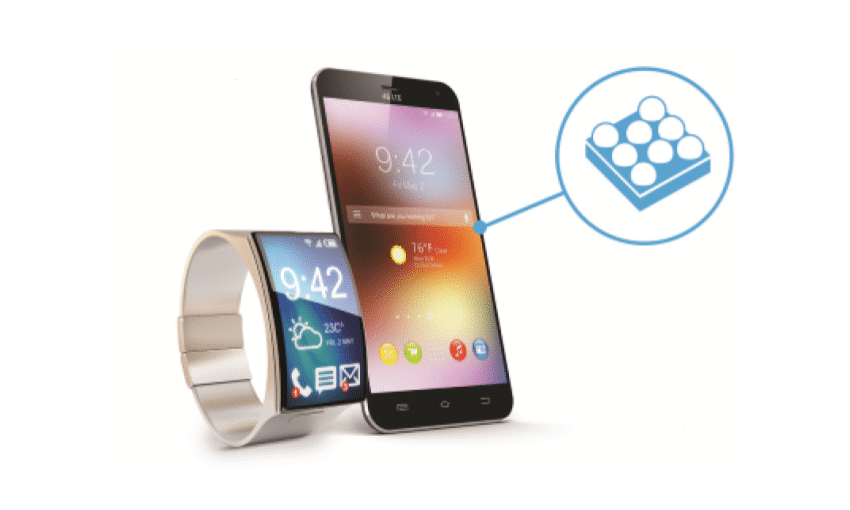
eSIM compatibility is widespread in recent flagship models from Apple, Google, and Samsung. The iPhone XR and newer (excluding Chinese models) support it, alongside Google’s Pixel 3 and later. Samsung Galaxy S20 series and above, plus most Z Fold and Flip generations, include the feature. For tablets, select iPads (e.g., Pro 11-inch 3rd gen) and Chromebooks like the Pixelbook Go work. Smartwatches, such as the Apple Watch Series 4 or newer and Samsung Galaxy Watch 4 and up, also use eSIM for cellular connectivity. Quick Q&A: Which budget phones support eSIM? The Google Pixel 4a (5G) and Moto G 5G (2022) are affordable options. Always check your specific model variant, as carrier-locked models often lack eSIM support.
Latest Smartphones and Tablets with Built-In Support
The latest iPhones, from the 14 series onward, and Google Pixel 7 and newer models come with built-in eSIM support, allowing you to activate a cellular plan without a physical card. Samsung’s Galaxy S23 and S24 series, plus recent foldables like the Z Fold 6, also include this feature. Many newer iPads and select Android tablets—such as the iPad Air (5th gen) and Galaxy Tab S9—offer dual SIM flexibility, letting you store multiple profiles simultaneously.
- iPhone 15 lineup supports multiple eSIMs with no physical SIM tray in the US.
- Google Pixel 8 has dual eSIM for work and personal lines.
- Samsung Galaxy S24 lets you switch carriers directly in Settings.
Wearables and IoT Devices That Rely on a Digital Chip
Smartwatches, fitness trackers, and cellular-enabled smart glasses use an embedded digital chip to connect to mobile networks without a physical SIM slot. This compact eSIM architecture allows manufacturers to shrink device size while maintaining reliable LTE or 5G connectivity for notifications, voice calls, and GPS tracking. IoT sensors for home automation, vehicle telematics, and industrial monitors similarly leverage this chip for persistent, low-power network access, enabling remote operation and firmware updates independent of a paired smartphone.
- Smartwatches with built-in eSIMs can place calls and stream music without a phone nearby.
- GPS pet collars use the chip to transmit location data over cellular networks in real time.
- Industrial IoT sensors rely on the digital chip for secure, unattended data transmission in remote locations.
How to Check Your Device’s Compatibility
To confirm your device works with an eSIM, first dial *#06# on your phone; if you see an EID number, your hardware supports it. Alternatively, check your device’s settings menu—look under “About Phone” or “Cellular” for an “Add eSIM” option. For a definitive check, visit your carrier’s website and use their eSIM compatibility checker tool. Quick verification steps include:
- Dialing *#06# to reveal your device’s EID.
- Navigating to Settings > Mobile Data for an “Add eSIM” button.
- Consulting your manufacturer’s official support page.
- Entering your IMEI on your carrier’s compatibility portal.
Evaluating Costs: Comparing Data Plans and Provider Options
When evaluating costs with an eSIM, you must directly compare data plans from multiple providers on a single app, skipping the hassle of swapping physical SIMs. Focus on the per-GB price for your destination, but always check if local carrier eSIMs beat regional ones for short trips. A key detail is to watch out for “unlimited” plans that throttle speeds after a cap, often costing more than a fixed high-data package. Also, compare provider options by looking at plan validity and if unused data rolls over, as this directly impacts total cost for longer stays or repeat travel.
Global Roaming Packages vs. Local Carrier Deals

When evaluating costs, global roaming packages from your home provider offer unmatched convenience, allowing you to use your existing number immediately upon arrival. However, these packages often carry premium fees per megabyte. In contrast, an eSIM with local carrier deals typically provides significantly lower rates by connecting you directly to regional networks. You must manually install a local eSIM profile before or after arrival, but this trade-off yields substantial savings for moderate to heavy data users.
- Global roaming eSIMs keep your primary number active without swapping SIMs, but local deals require a separate profile installation.
- Local carrier eSIMs usually offer tiered data volumes (e.g., 5GB, 20GB) at a fixed price, whereas global packages charge per day or per MB.
- For short trips under five days, a global roaming add-on might be simpler; for longer stays, local deals are almost always cheaper.
Prepaid, Postpaid, and On-Demand Data Bundles
When picking an eSIM plan, you’ll choose between prepaid, postpaid, or on-demand bundles. With prepaid eSIMs, you pay upfront for a set UK eSIM data amount—perfect for strict budgets or short trips. Postpaid eSIM plans bill you monthly after use, often including perks like multi-device sharing. On-demand bundles let you buy data in small, instant refills without a commitment, ideal for topping up mid-journey. Each option affects costs directly, so match the billing style to how frequently you need connectivity. Prepaid locks you in, postpaid offers flexibility, and on-demand gives you control over every megabyte.
Hidden Fees and Fine Print to Watch For
When evaluating an eSIM plan, always scrutinize the fine print for data throttling after a soft cap, where speeds drop drastically once you exceed a certain limit without notification. Many providers hide activation or reactivation fees that apply only after your initial plan expires. Watch for automatic renewal clauses that lock you into a higher-priced cycle if you miss cancellation windows. Even “unlimited” plans often exclude tethering or impose video streaming restrictions, which can degrade your experience. Check if taxes and surcharges are added at checkout rather than included in the advertised price.
Pros and Cons of Adopting a Non-Physical SIM Solution
Switching to an eSIM means ditching the plastic card for good. The non-physical SIM solution offers huge convenience: you can activate a plan instantly by scanning a QR code, and manage multiple lines without swapping tiny cards. It also frees up the physical SIM slot for a secondary travel SIM. However, the trade-offs are real.
You can’t just pop your eSIM into another phone; transferring it requires a carrier app or a new QR code, which is a hassle if your device dies or you need a quick loaner phone.
Also, not every carrier or country supports them reliably, so if you’re a heavy global traveler, you might hit a compatibility wall with local prepaid options.
Freedom from Roaming Charges and Physical Swaps
An eSIM eliminates the need to source and swap a local physical SIM upon arrival abroad, delivering direct financial savings by enabling users to purchase and activate local data plans remotely before traveling. This freedom from exorbitant roaming charges is achieved by avoiding a carrier’s per-MB rates; instead, you switch to a local or global data package with a few taps. Similarly, the physical swap is eradicated—you no longer require a SIM ejector tool or risk losing your primary SIM while abroad. The same eSIM profile can store multiple plans, allowing instant, zero-cost switching between a home number for calls and a foreign data line for connectivity.
By removing the need for physical SIM swaps and enabling pre-trip local plan purchases, eSIMs grant direct autonomy from costly roaming fees and the inconvenience of hardware changes.
Limitations: Carrier Lock-In and Device Constraints
Adopting an eSIM introduces carrier lock-in and device constraints that physical SIMs often avoid. Many carriers lock eSIM profiles to a specific account or IMEI, complicating quick transfers between devices. You may need carrier intervention just to swap phones, unlike with a removable SIM. Further, not all smartphones support eSIM, and some models restrict it to a single profile, eliminating multi-network flexibility. Legacy devices and international handsets frequently lack compatibility entirely, forcing users to maintain a physical slot. These hardware and policy barriers can negate the convenience eSIM promises for frequent travelers or multi-device users.
Carrier lock-in ties eSIM activation to a specific device’s identifier, while device constraints—such as limited profile slots or absent support—restrict your ability to freely switch networks or hardware.
Potential Privacy and Data Security Considerations
A primary consideration is that eSIM profiles are remotely provisioned and managed, creating a different attack surface. Unlike a physical SIM, which must be stolen, an eSIM can be targeted via phishing or account takeover to re-provision on a different device. This introduces risks of remote hijacking of your mobile identity. The device itself becomes a single point of failure; if compromised by malware, the eSIM profile data could be exposed. Privacy is also affected, as the remote management system can collect more granular location and usage metadata.
- Phishing attacks can trick users into provisioning a malicious eSIM profile, giving an attacker control of the line.
- Account takeover (ATO) at a mobile carrier can allow an attacker to remotely transfer your eSIM to their device.
- Malware on a device may be able to extract or copy the embedded eSIM credentials for cloning.
- A lost or stolen device with an eSIM cannot be secured by simply removing a card, requiring immediate remote deactivation.
Future Trends: How This Technology Is Shaping Mobile Connectivity
The eSIM is quietly rewriting the rules of mobile connectivity, pushing us toward a future where a physical SIM tray becomes a relic. Imagine traveling internationally: instead of hunting for a local vendor, you scan a QR code before your flight lands, instantly switching to a local data plan. This seamless shift is not just about convenience; it enables dual-SIM functionality without hardware, letting you keep your home number active while using a separate network for high-speed data. As eSIM profiles become more ubiquitous, your phone itself becomes a dynamic, network-agnostic device—no longer locked to a single carrier. The practical outcome is a hyper-flexible, always-connected experience where changing providers or adding a plan feels as natural as toggling a setting.
Integration with 5G Networks and Autonomous Devices
eSIMs are the essential enabler for autonomous devices to leverage 5G’s low-latency, high-bandwidth capabilities without physical SIM slots. A drone or delivery robot can instantly switch between network slices optimized for real-time control or video streaming, using an embedded profile. Unlike consumer phones, these devices rely on eSIMs for remote provisioning, allowing fleet managers to update carrier credentials over-the-air as 5G coverage expands. This eliminates hardware swaps, ensuring autonomous vehicles maintain persistent, high-speed connectivity for critical tasks like obstacle detection and route optimization. The result is seamless, secure on-device 5G network switching that keeps autonomous operations continuously active and responsive.
- Enables autonomous devices to connect to dedicated 5G network slices for specific tasks (e.g., low-latency control vs. high-throughput data upload)
- Allows over-the-air carrier profile updates so fleets of drones or robots stay connected without physical SIM access
- Supports remote activation of eSIMs in headless devices, eliminating manual SIM handling for 5G-enabled IoT gear
Enterprise Adoption for Fleet and Remote Management
For fleet and remote management, enterprise adoption now hinges on instant digital provisioning. Instead of swapping physical SIMs across hundreds of trucks or field sensors, IT teams deploy a single eSIM profile globally. When a vehicle crosses borders or switches carriers, connectivity updates remotely via a management console. This allows rolling out new service plans to an entire fleet in minutes—not days. The sequence: first, an eSIM profile is issued through the cloud platform; second, the asset connects automatically to the strongest local network; third, the administrator reconfigures data limits or roaming policies without halting operations.
Regulatory Changes and Universal Standardization Efforts
Regulatory changes are dismantling barriers to eSIM adoption, with governments mandating that carriers support seamless profile transfers rather than locking users to a single provider. Universal standardization efforts, such as the GSMA’s evolving SGP.32 specification, are directly streamlining how you switch networks—eliminating the need for physical QR codes or manual configuration. These frameworks enforce uniform security protocols across devices, ensuring your digital credentials remain protected during remote provisioning. As authorities align on global roaming rules, the result is a frictionless experience where your eSIM activates automatically across borders, standardizing connectivity across carriers without requiring you to understand the underlying legal or technical complexities.